Tajweed Mastery: The Heavy (Tafkheem) and Light (Tarqeeq) Letters
Qari Muhammad Bilal
Senior Tajweed Tutor • Published by Rahma Quran Academy
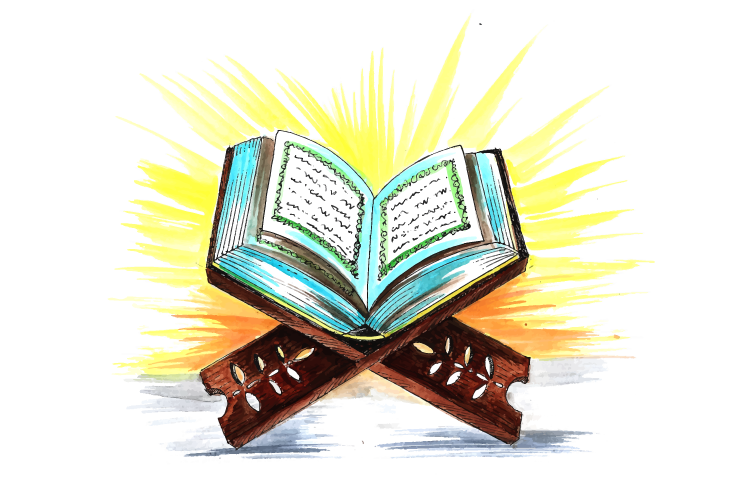
One of the most defining characteristics of authentic Arabic Quranic phonetics is the contrast between heavy (Tafkheem) and light (Tarqeeq) letters. Mastering this dynamic brings majestic depth to your recitation.
الَّذِينَ آتَيْنَاهُمُ الْكِتَابَ يَتْلُونَهُ حَقَّ تِلَاوَتِهِ
“Those to whom We have given the Book recite it with its true recitation...” (Surah Al-Baqarah 2:121)
Comprehensive Guidelines & Key Takeaways
1. The 7 Always-Heavy Letters
Gathered in the phrase "خُصَّ ضَغْطٍ قِظْ" (Khaa, Saa, Daad, Ghayn, Taa, Qaf, Zaa). The back of the tongue elevates.
2. Letters with Dual Nature
Alif, Lam in the name of Allah, and Raa fluctuate between heavy and light depending on preceding vowels.
3. The Always-Light Letters
All remaining letters of the Arabic alphabet must be pronounced with a flat, smiling mouth posture.
Teacher’s Expert Advice
Never round your lips when pronouncing heavy letters (except Waw); elevation occurs at the back of the tongue, not the lips.
Final Reflections
Our Tajweed experts provide individual phonetic analysis to perfect your mouth and tongue positioning.
Start Reciting the Holy Quran with Authentic Tajweed
Connect 1-on-1 with certified male or female tutors available 24/7. Flexible schedules designed around school, work, and family life.
Related Quran Guides & Articles
Mastering Ikhfa (Concealment): How to Produce the Soft Nasal Tone
Ikhfa is the most frequent Tajweed rule in the Quran. Learn how to conceal the Noon Sakinah before the 15 Ikhfa letters with a delicate 2-count Ghunnah.
Read GuideUnderstanding Idgham (Merging): With Ghunnah (YANMU) and Without Ghunnah
A comprehensive guide to the six letters of Yarmaloon (يرملون) and how Noon Sakinah blends smoothly into adjacent letters.
Read GuideThe Art of Waqf and Ibtida: Knowing Exactly Where to Restart After a Breath
Running out of breath mid-Ayah is natural. Learn the rules of Ibtida (resuming recitation) so you never restart with an incomplete or distorted meaning.
Read Guide